Blog

Results 1–25 of 39
Current Filters Clear all

A quantitative look at electron collisions with excited state molecules

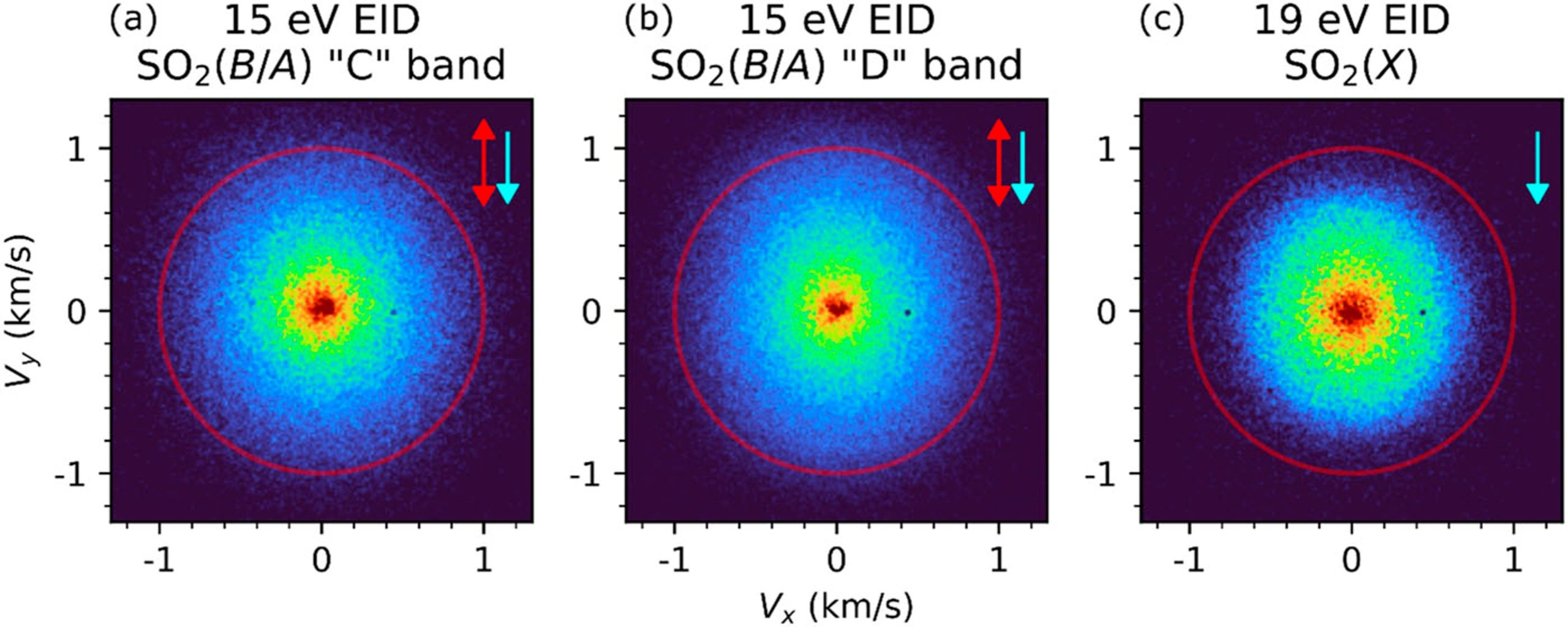
Post, September 9, 2026 • The details of electron interactions with excited-state molecules can be important in plasma processes but are experimentally elusive. CRF researchers Jonathan Frank and Dave Chandler, together with postdocs Haw-Wei Lin and Eric Smoll, developed a way to measure these interactions and employed it in their paper "Electron-ionization-dissociation dynamics of laser-excited SO2 (B 1B1/A 1A2) studied using velocity map imaging," published...
Accelerating research of complex chemistry problems

Post, January 19, 2022 • The Exascale Catalytic Chemistry project, a partnership with Sandia, Argonne, and Pacific Northwest national laboratories, and Brown and Northeastern universities, started in 2017 and brings together physical chemists and applied mathematicians to design computational tools that can take advantage of the world's most powerful computers to speed up understanding of...
Exascale Catalytic Chemistry project, a partnership with Sandia, Argonne, and Pacific Northwest national laboratories, and Brown and Northeastern universities, started in 2017 and brings together physical chemists and applied mathematicians to design computational tools

Automated Development of a Comprehensive Microkinetic Model for Catalysis

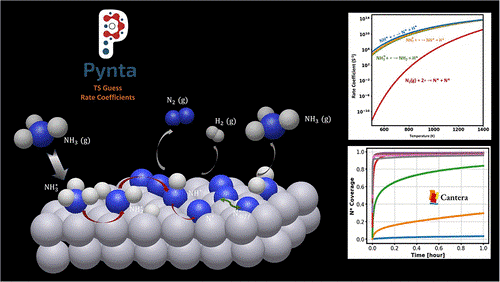
Post, June 16, 2026 • Combustion Research Facility researchers Chris Kliewer, Judit Zádor, Shinae Kim and Eric Smoll published a paper in "The Journal of Physical Chemistry C" on "Automated Theoretical Investigation of the Ammonia Decomposition Reaction Network on Pt(111)". In this work, the authors mapped out the potential energy surfaces of ammonia decomposition and...

CRF confronts COVID-19 and gets back to work

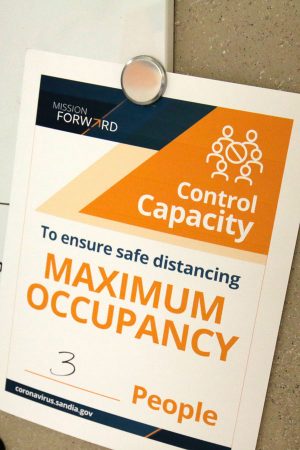
Post, March 8, 2021 • The 2020 outbreak of COVID-19 affected all of the Labs’ sites with enforced stay-at-home orders in most locations. The Chemistry, Combustion and Materials Science Center, including the CRF, is located in California where the governor mandated a statewide quarantine in March 2020, which stayed in force for more than eight...

CRF Recognizes Researchers for Outstanding Contributions

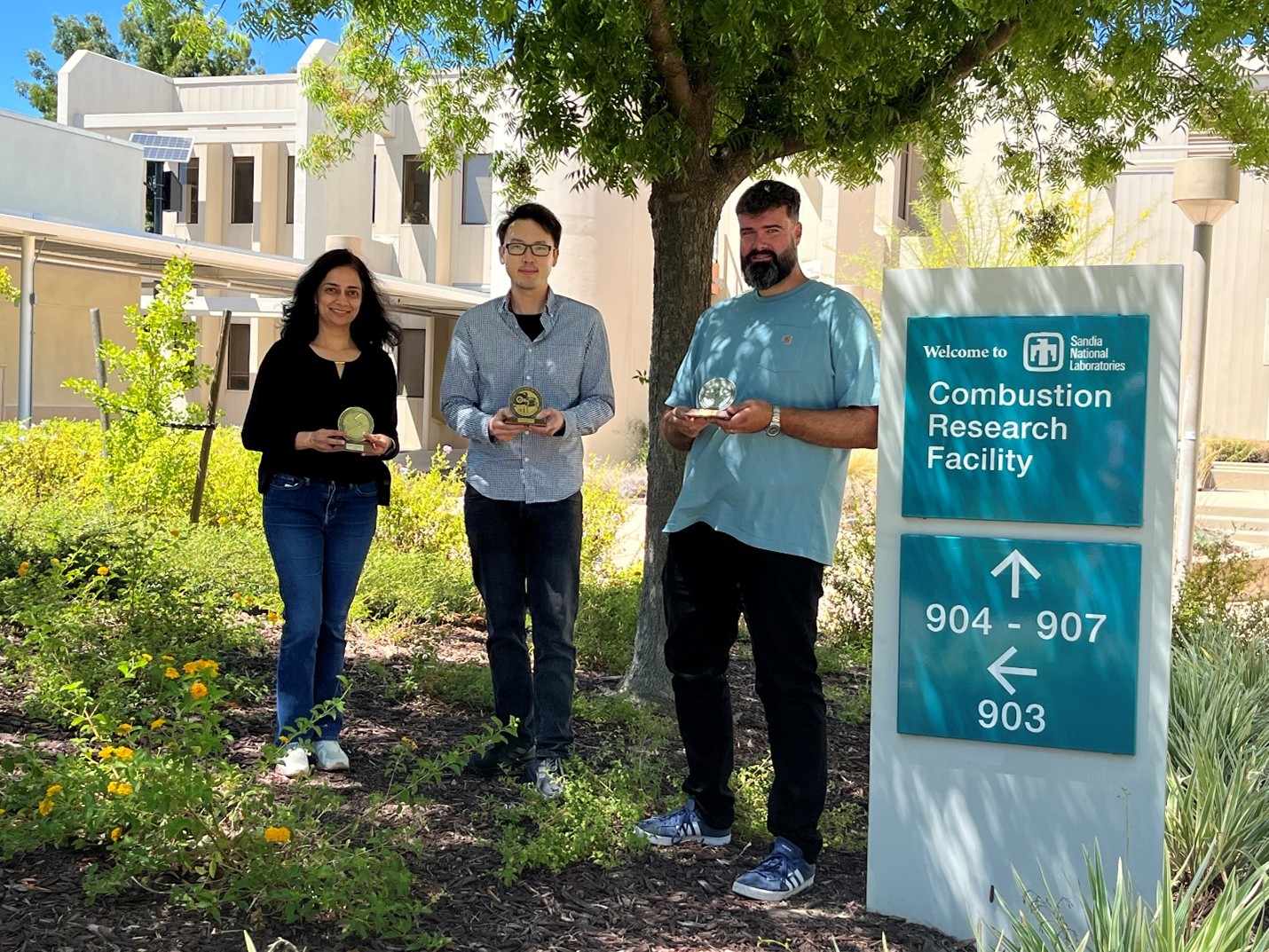
Post, August 5, 2026 • The CRF awards, given every two years to recognize researchers that have made outstanding contributions in fundamental research, applied science, and technological support, were presented on July 8, 2026 at an all-hands meeting of Sandia’s Chemistry, Combustion, & Materials Science Center, which includes the CRF. Named after Bill Adams, the...

CRF Researcher Recognized for Outstanding Mentorship from ORISE

Post, February 9, 2026 • Pieterjan Robbe received recognition as an outstanding mentor on the ORISE (Oak Ridge Institute for Science and Education) website in celebration of National Mentoring Month (January 2026). Pieterjan was nominated by his former SCGSR grad student intern, Aleksei Sorokin, who summarized, “Dr. Pieterjan Robbe was my collaborating scientist and mentor...
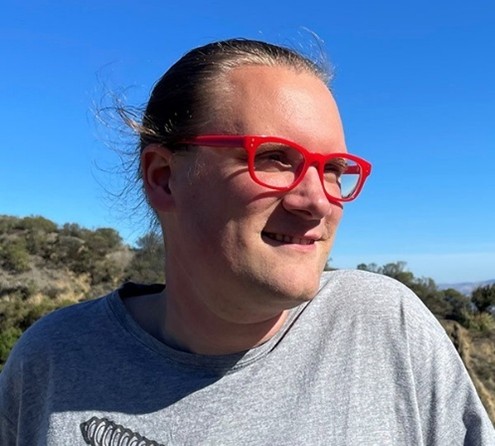
Pieterjan looking off in the distance smiling

Dedication, curiosity earn chemist DOE Early Career Award

Post, June 16, 2022 • CRF Scientist Krupa Ramasesha Each year, the Department of Energy awards five-year, $2.5M, Early Career Award grants to young scientists, chosen through a highly competitive research proposal selection process. For CRF scientist Krupa Ramasesha, winning the Department of Energy’s Early Career Award means that she can launch an in-depth study...
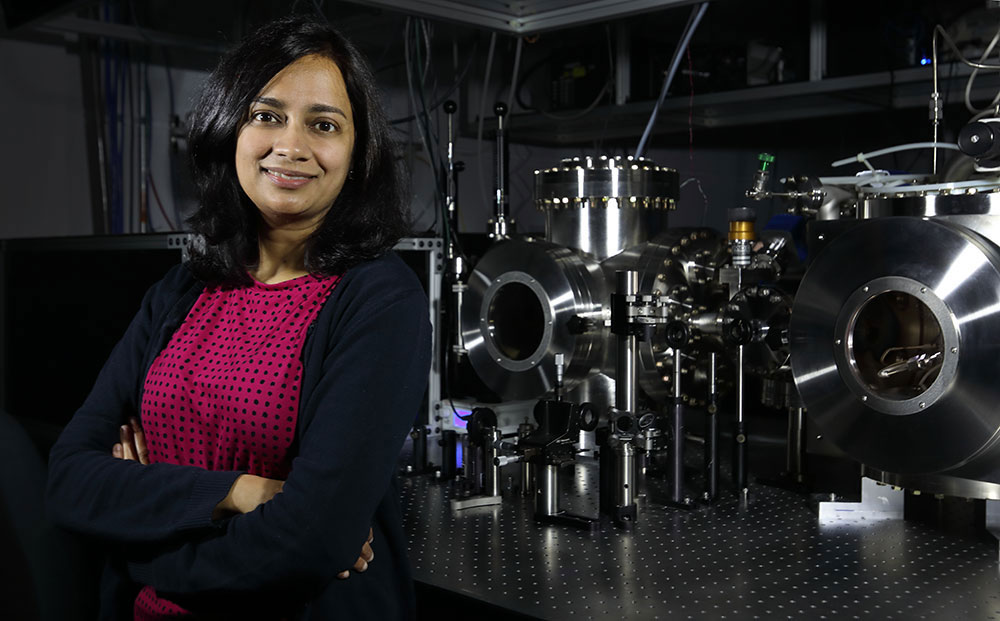
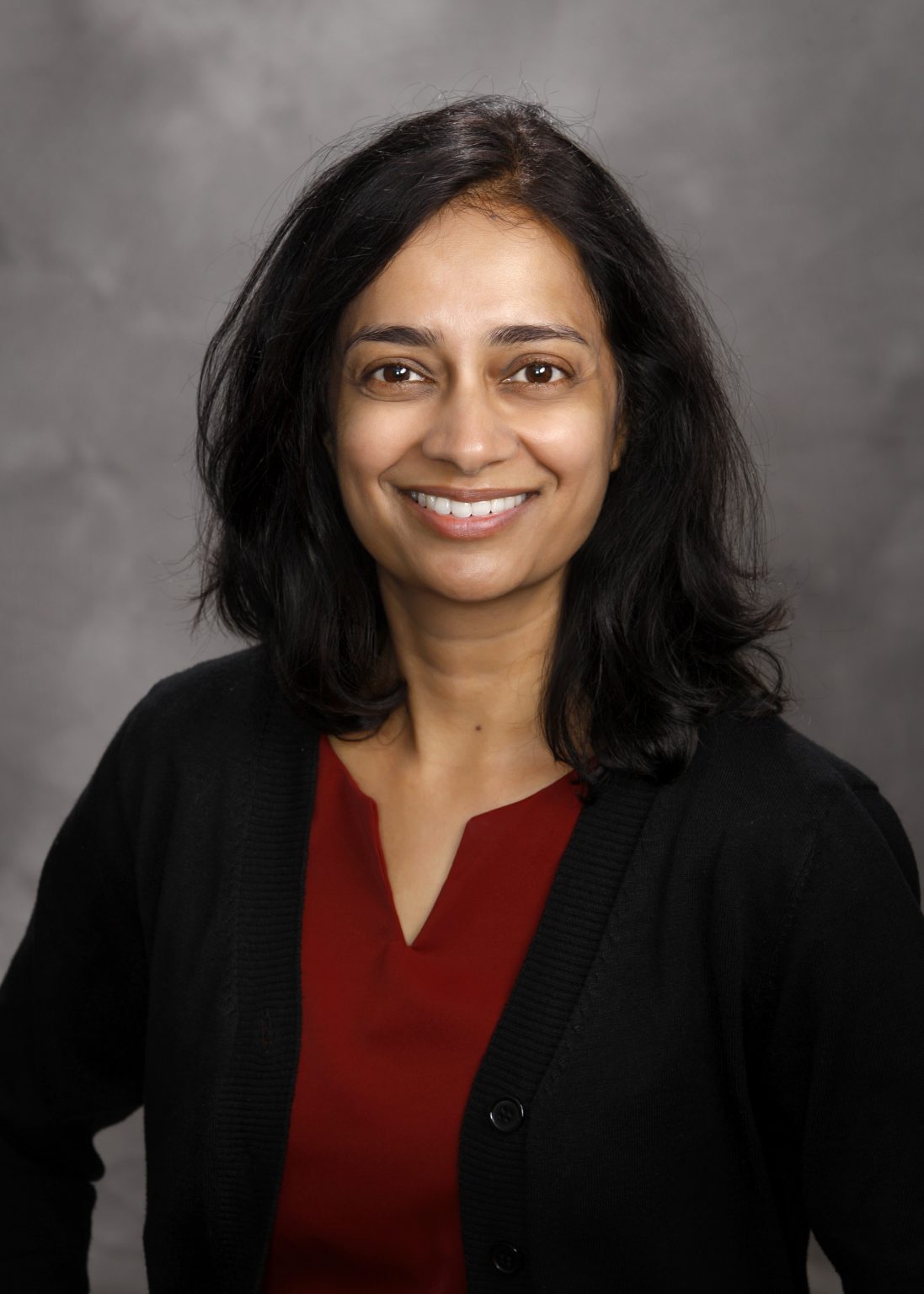
|Krupa Ramasesha

Fabulous at Forty!

Post, April 5, 2021 • Fueling the Future Established at Sandia National Laboratories in Livermore, California, as the first U.S. Department of Energy (DOE) user facility, since the early 1980s the Combustion Research Facility (CRF) has served as a national and international leader in combustion science and technology for more than 40 years. As the...

Fast, Accurate Turbulent Combustion Simulations

Post, April 1, 2026 • Cristian Lacey and Jackie Chen, together with researchers from Ulsan National Institute of Science and Technology (Korea) and Pukyong National University (Korea), have published a paper entitled "Time-dependent-bases with local CUR decomposition method for accelerating turbulent combustion simulations" in Combustion and Flame. This work presents a reduced-order modeling framework that...

Finding a molecular needle in a haystack

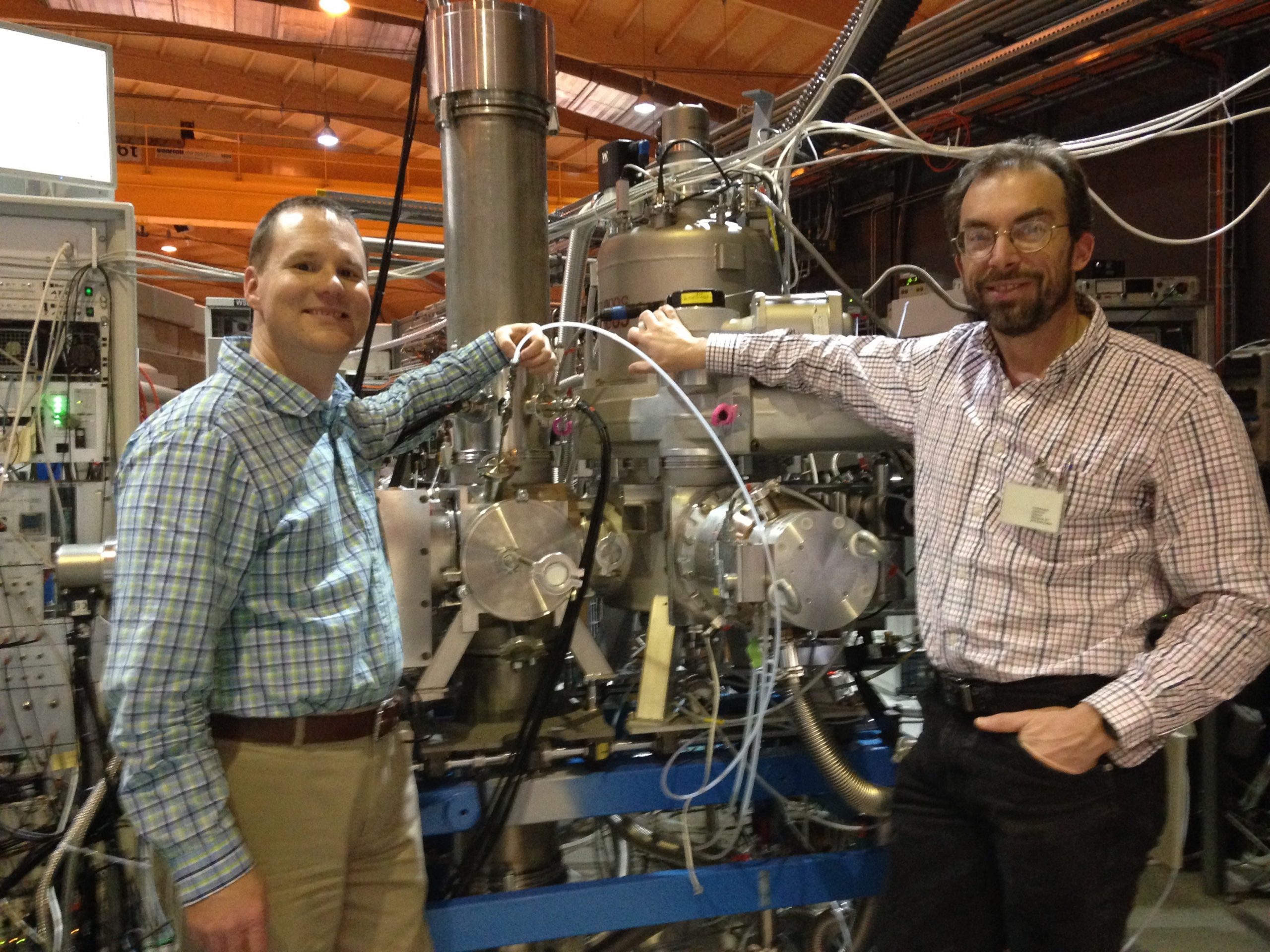
Post, July 7, 2017 • Bálint Sztáray, left, from the University of the Pacific, and Sandia National Laboratories chemist David Osborn display the PEPICO instrument. Sandia Labs creates better ‘fingerprints’ to detect elusive, valuable chemical compounds By Sarah Sewel Imagine being able to see the entire Statue of Liberty and a small ant on its...

Foundation Models Accelerate Gas-Phase Kinetics Calculations

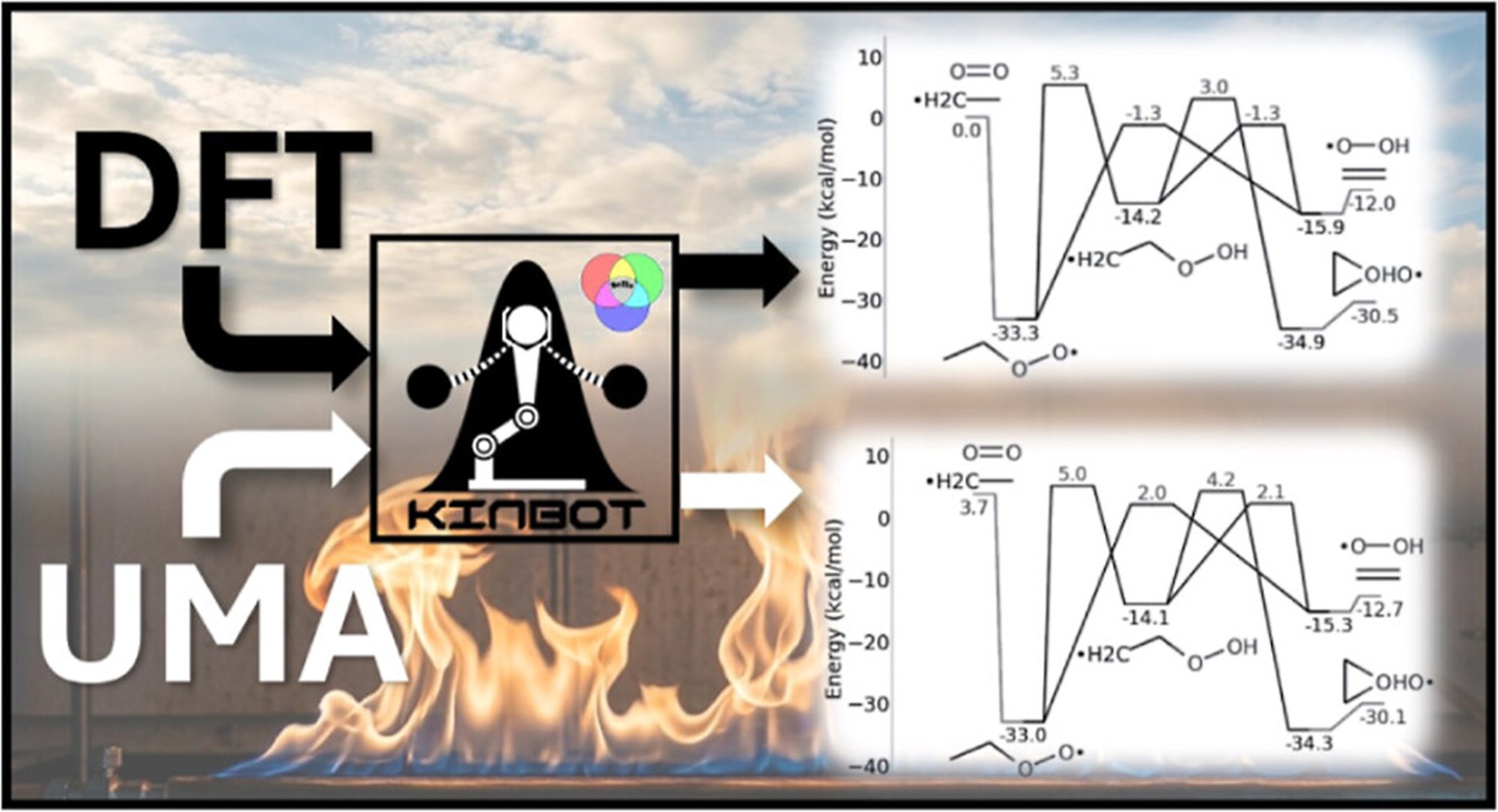
Post, June 16, 2026 • Judit Zádor, together with CRF summer intern Daniel Kendall (UCLA), published a paper in "The Journal of Physical Chemistry A" on "Benchmarking the UMA Foundation Interatomic Potential for Gas-Phase Chemical Kinetics". In this work, the authors use the automated KinBot workflow to benchmark Meta’s Universal Models for Atoms (UMA) foundation model...

Fuel property put to the test

Post, March 9, 2021 • Sandia postdoc receives SAE Excellence in Oral Presentation Award for phi-sensitivity research Understanding the fundamentals of phi-sensitivity, a key fuel property that represents how the autoignition reactivity of the fuel varies with the fuel/air equivalence ratio, will help us increase the efficiency and facilitate the development of practical low-temperature gasoline...
|

Generative Design of Active Sites on Arbitrary Catalysts

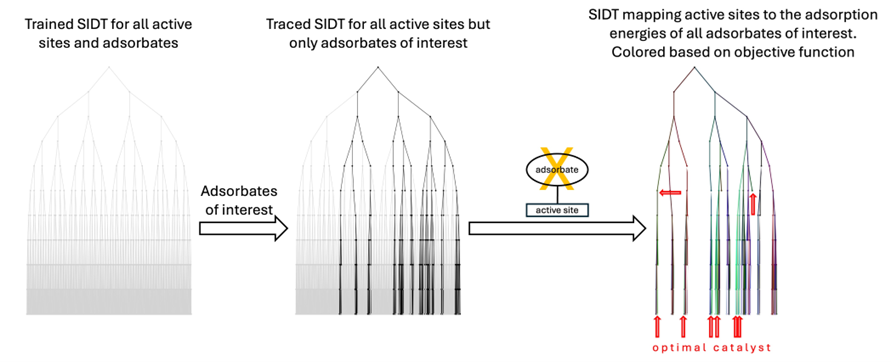
Post, June 12, 2026 • Judit Zádor co-organized this year's "Faraday Discussion on Bridging the gap from surface science to heterogeneous catalysis" that was held in London, United Kingdom, April 20th-22nd. At this meeting she and fellow CRF researcher Matthew Johnson presented their development, with collaborator Richard West from Northeastern University, of an interpretable machine-learning framework...

Hanging out with the stars

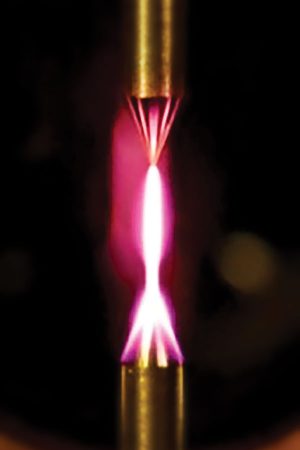
Post, March 8, 2021 • Sandia establishes collaborative research facility to study pervasive and versatile low-temp plasmas Low-temperature plasma—the most pervasive state of matter in the universe—consists of gaseous mixtures of ions and electrons that interact with background neutral atoms or molecules to make them reactive. It also generates energetic photons. All this activity means...

High school engineering students visit CRF

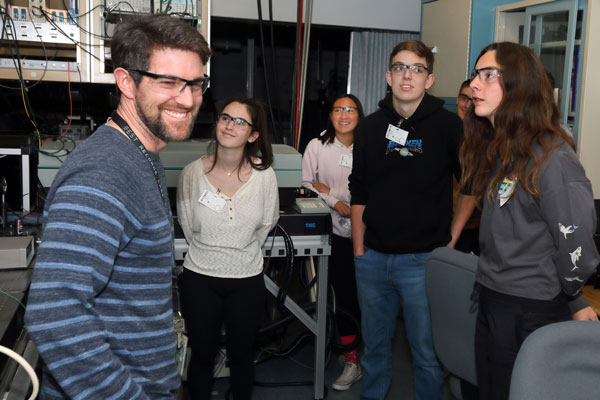
Post, March 9, 2021 • Livermore High School science teacher Karen Fletcher and 12 sophomore students from the Green Engineering Academy got to see applied science in action during a Feb. 19, 2020, visit to Sandia’s California campus. Students met several Sandia engineers who shared their combustion research expertise. James Siacunco talked about his career...

Hydrogen Peroxide Formation Mechanisms in Liquid Anode and Cathode Discharges

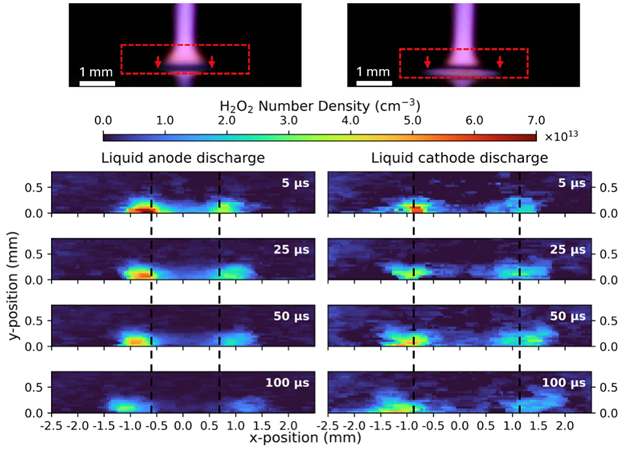
Post, May 27, 2026 • In order to better understand the mechanism for plasma-induced formation of hydrogen peroxide (H2O2), a key reactive species in plasma processing, Jonathan Frank, Erxiong Huang and Sebastian Pfaff from the CRF, with colleagues Jae Hyun Nam and Peter J Bruggeman from the University of Minnesota, carried out spatially and time-resolved...

Improving understanding of advanced Light-Emitting Materials

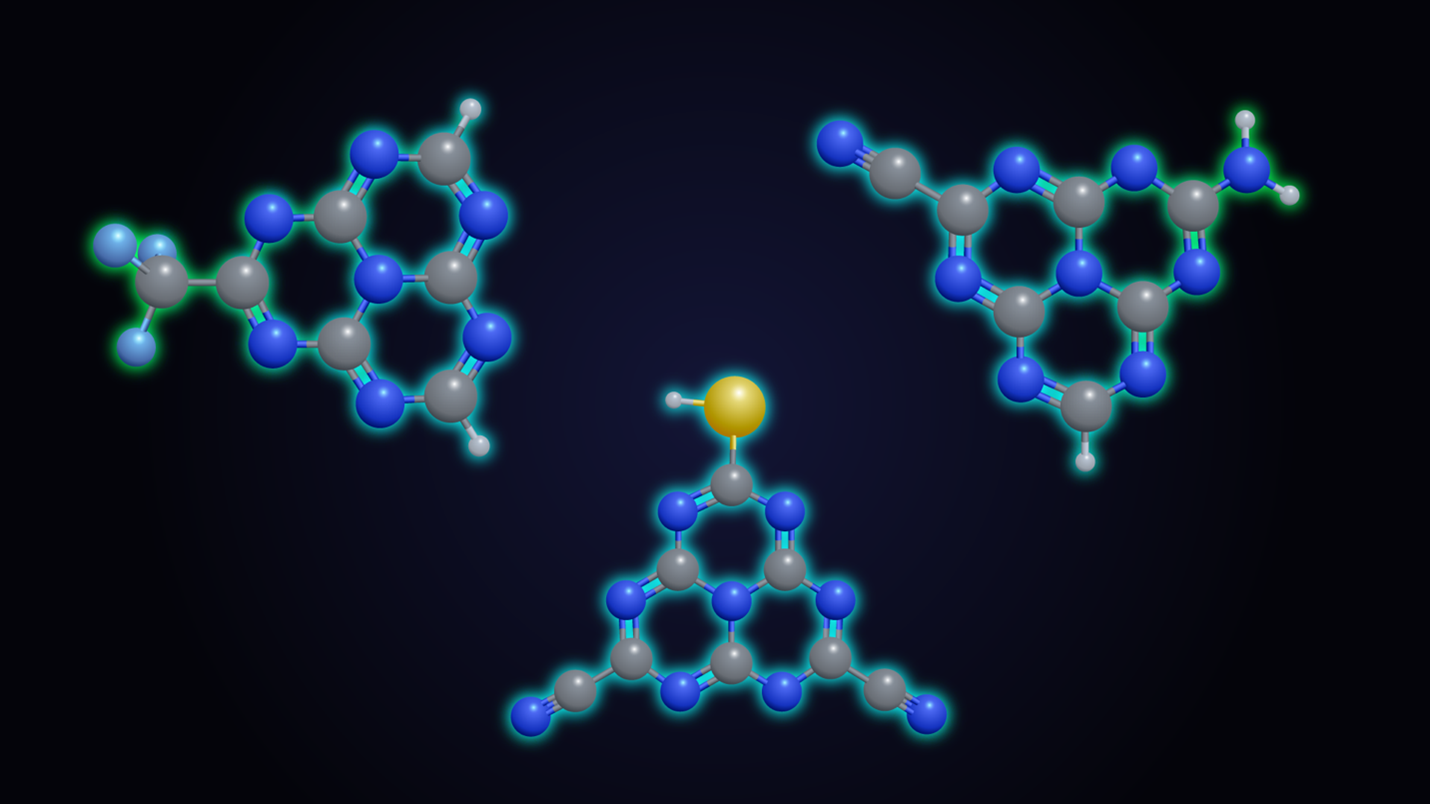
Post, December 3, 2025 • Laura McCaslin, CRF postdocs Varun Rishi and Ali Abou Taka and Hrant Hratchian (UC Merced), published a paper in "The Journal of Physical Chemistry Letters" on "Quantifying Design Principles for Light-Emitting Materials with Inverted Singlet–Triplet Energy Gaps." Most organic light-emitting materials lose efficiency because 75% of excitons are non-emissive triplets....

In Memory of Jim Miller

Post, November 23, 2021 • Jim Miller In Memoriam: Jim Miller (1946–2021) Jim Miller dedicated his life to science while never losing either his warmth and interest in the people around him or his interest in the world. A theorist and research scientist, Jim was known as one of the early developers of CHEMKIN, the...
Combustion Research Facility

Judit Zádor awarded a Gauss Professorship

Post, February 4, 2026 • Judit Zádor (DMTS 8353) was awarded a Gauss Professorship by the Göttingen Academy of Sciences in Lower Saxony. The Gauss Professorship, established on the 100th anniversary of Carl Friedrich Gauss’ death, offers outstanding scientists from outside Germany the opportunity to temporarily, and in a sense symbolically, occupy the chair of...

Judit Zádor Elected Fellow of The Combustion Institute

Post, March 5, 2024 • Judit Zádor (8353), a physical chemist, has been elected a 2024 Fellow of The Combustion Institute “for exceptional contributions in theoretical chemical kinetics and innovations in approaches for automating quantum chemical calculations.” The lifetime honorific title of Fellow is a testament to active participation in the combustion field through publications...
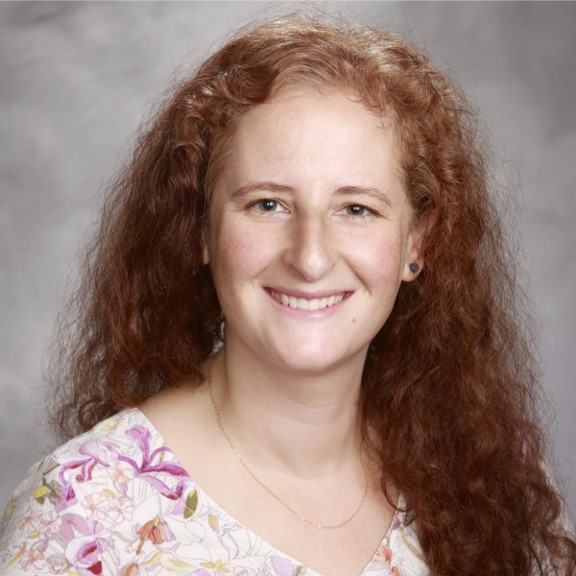
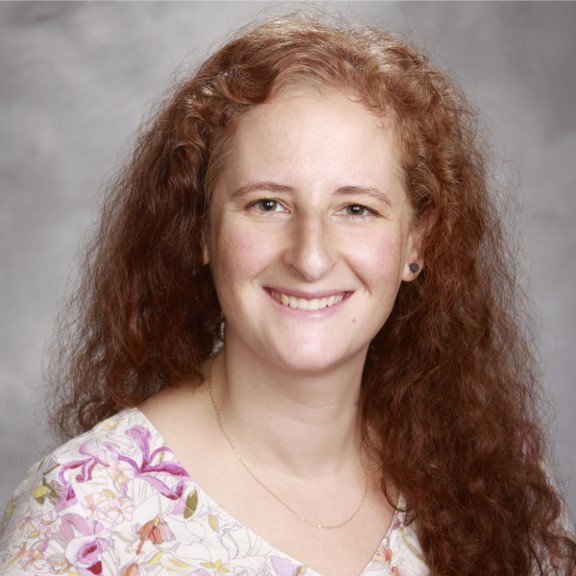
Judit Zador

Laser-Driven Control of Bond-Breaking

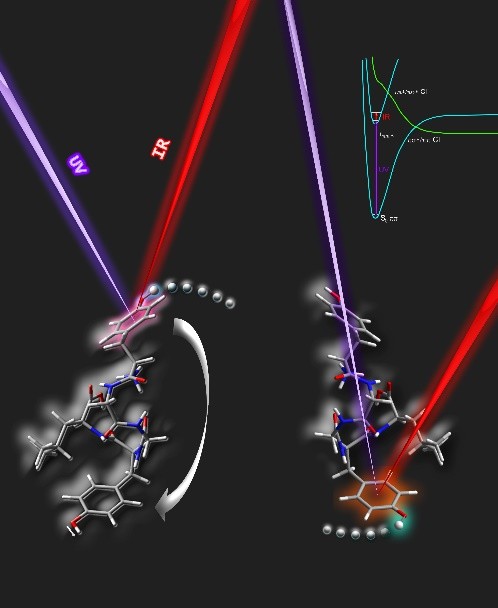
Post, September 3, 2026 • Controlling the course of a chemical reaction by mode-selective laser excitation is typically thwarted by the rapid delocalization of the energy, especially in large molecules. CRF researchers Tim Zwier, Kendrew Au, Chin Lee, and Kyung-Chul Woo, together with colleagues from Purdue University, University of Nevada, Reno, and Fairfield University, discovered a...

Measurements via Double-resonance Ion Imaging Mass Spectrometry

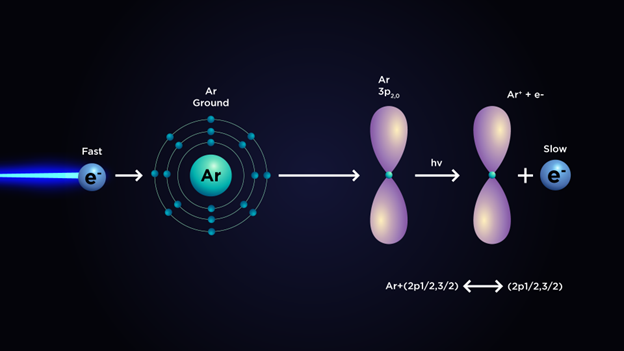
Post, May 27, 2026 • CRF researchers Haw-Wei Lin, Eric Smoll, Jonathan Frank and Dave Chandler published a paper in Journal of Physics B entitled, "Absolute Cross Section Measurements via Double Resonance Ion-Imaging Mass Spectrometry: The mp51/2 n(p′/f′) Autoionizing Rydberg States of Argon." Employing a novel in situ double-resonance scheme using an ion-imaging mass spectrometer...

Molecular Cage Adapts its Shape to its Contents

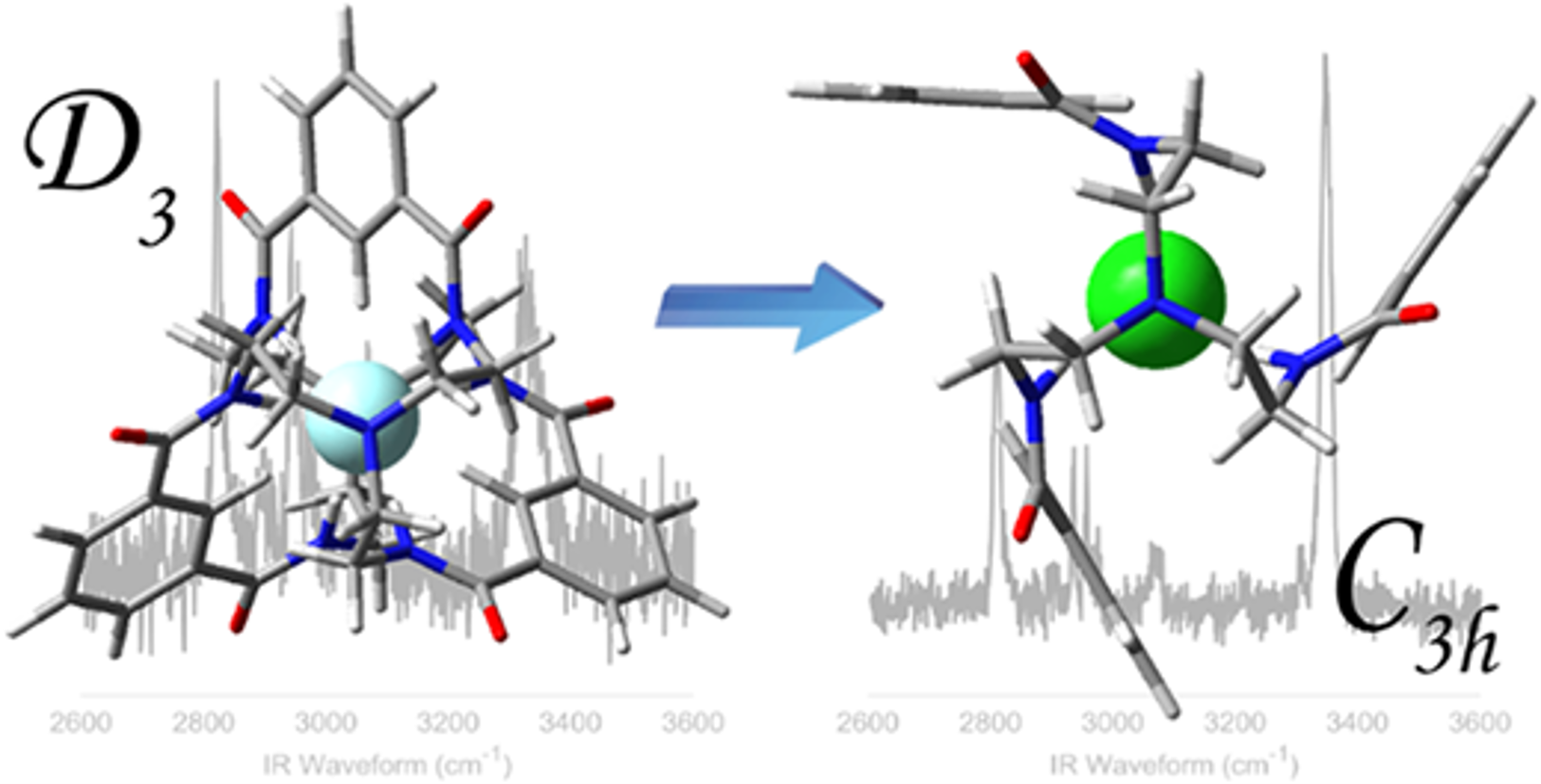
Post, September 3, 2026 • Molecular cages that sequester certain ions can be important for designing new strategies for selective capture of critical elements from aqueous solution. Using advanced theory and unique spectroscopy methods available at Sandia, CRF researchers Tim Zwier, Chin Lee, and Kendrew Au, together with Sandia colleague Jessica Rimsza and collaborators from LANL,...

Neighboring Groups can turn Quantum Tunneling On and Off

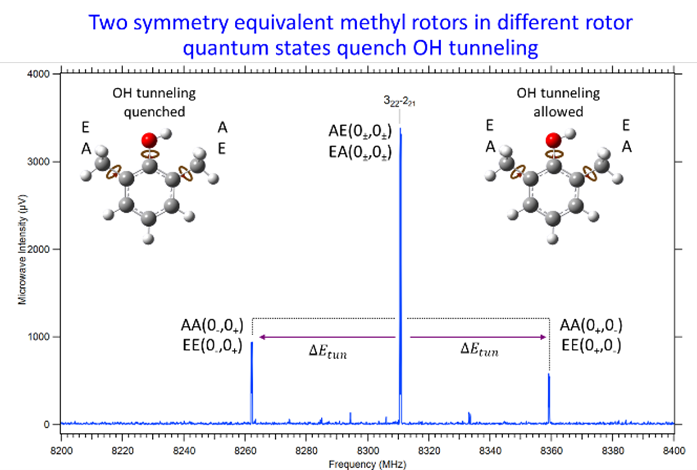
Post, May 6, 2026 • Tim Zwier, Judit Zádor and Blair Welsh from the CRF, with colleagues Sven Herbers from the Université Paris Est and Edwin L Sibert III from University of Wisconsin Madison, published a paper on "Methyl Rotor State-Dependent Quenching of OH Tunneling in 2,6-Dimethylphenol" in "The Journal of Physical Chemistry Letters". Tunneling...
Results 1–25 of 39