
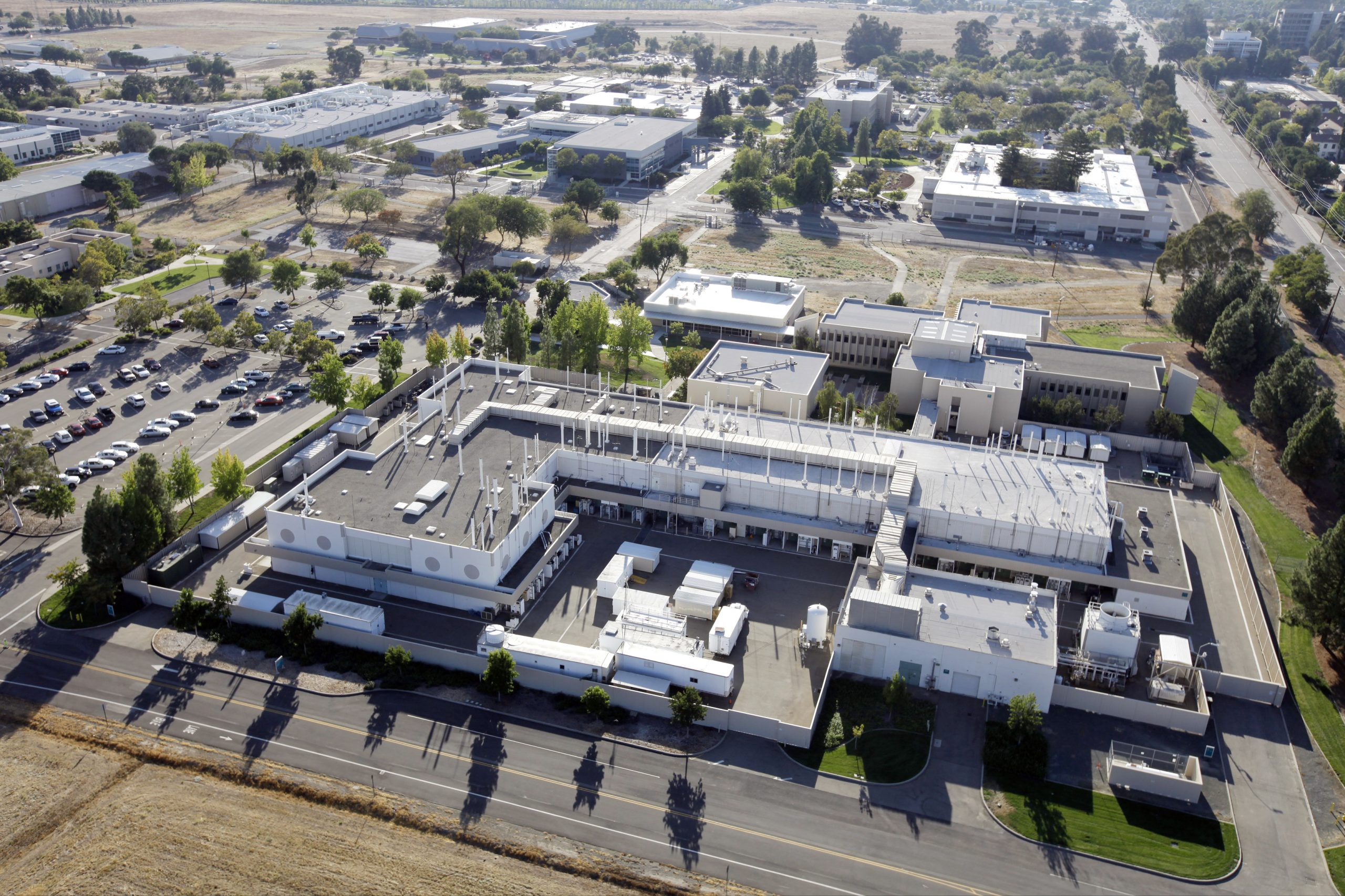
Page • A Department of Energy Office of Science Collaborative Research Facility Advancing fundamental physical sciences and technologies for America's energy future Established as the first U.S. Department of Energy (DOE) user facility in the 1970s and designated a DOE collaborative research facility in 2008, the Combustion Research Facility (CRF) at Sandia...
Search
Computation and Theory
Page • Beginning in the 1970’s, CRF combustion researchers and Sandia computational experts collaborated to develop the CHEMKIN suite of codes for analyzing chemical kinetic sensitivities and reacting flow phenomena. Initially developed as tools to aid internal research, CHEMKIN codes became widely popular in the combustion research community, which ultimately led to...
Craig A. Taatjes
Staff Page • Senior Manager. Biography Craig Taatjes is the senior manager for Physical Sciences at Sandia National Laboratories’ Combustion Research Facility (CRF) in Livermore, California. His research focuses on kinetics and mechanisms of fundamental chemical reactions important in combustion and hydrocarbon oxidation. His work has concentrated on direct measurements of elusive intermediates...
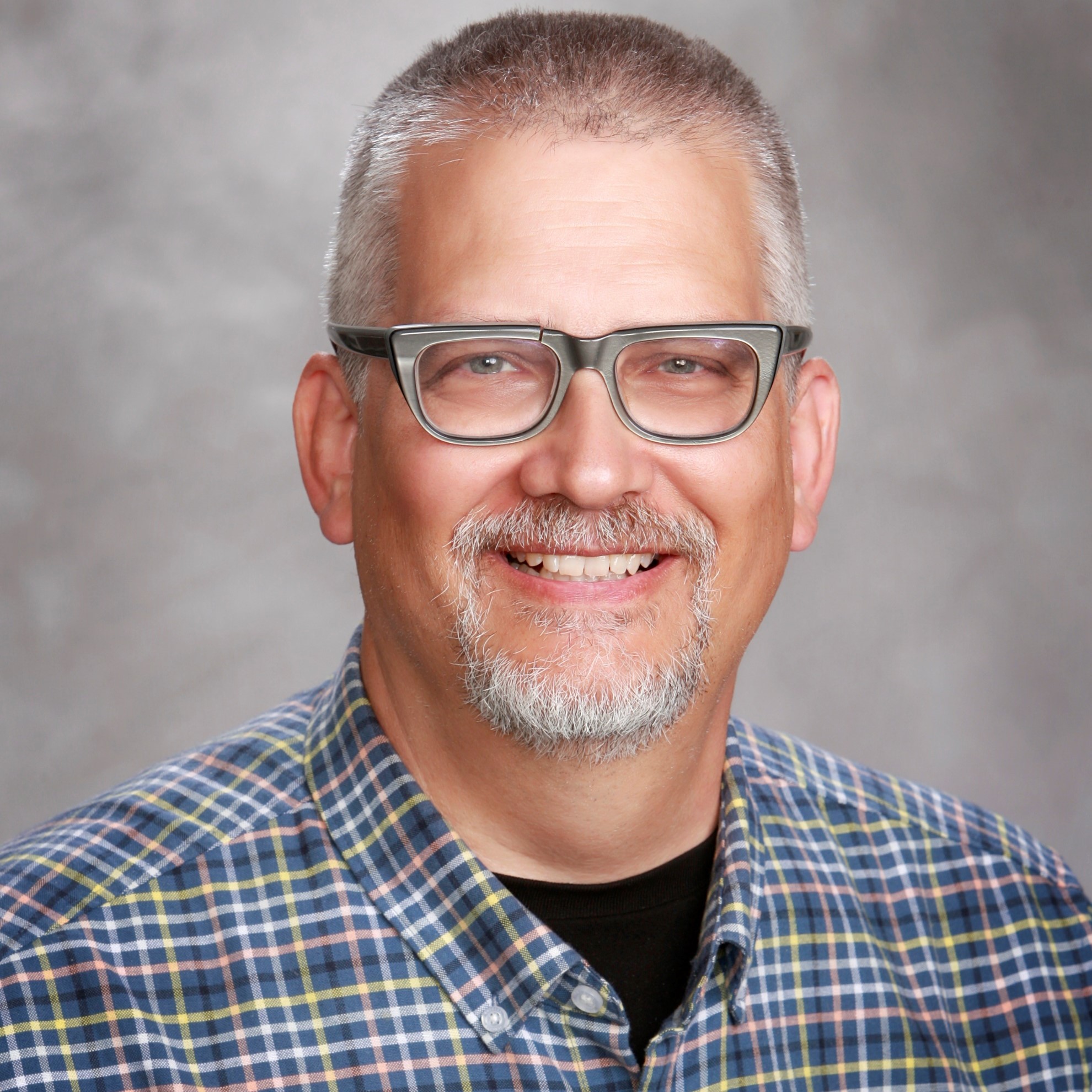
CRF confronts COVID-19 and gets back to work
Post, March 8, 2021 • The 2020 outbreak of COVID-19 affected all of the Labs’ sites with enforced stay-at-home orders in most locations. The Chemistry, Combustion and Materials Science Center, including the CRF, is located in California where the governor mandated a statewide quarantine in March 2020, which stayed in force for more than eight...
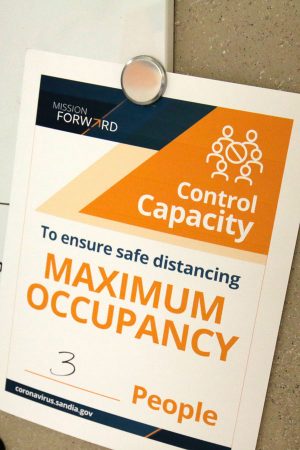
CRF Recognizes Researchers for Outstanding Contributions
Post, August 5, 2026 • The CRF awards, given every two years to recognize researchers that have made outstanding contributions in fundamental research, applied science, and technological support, were presented on July 8, 2026 at an all-hands meeting of Sandia’s Chemistry, Combustion, & Materials Science Center, which includes the CRF. Named after Bill Adams, the...
CRF Researcher Recognized for Outstanding Mentorship from ORISE
Post, February 9, 2026 • Pieterjan Robbe received recognition as an outstanding mentor on the ORISE (Oak Ridge Institute for Science and Education) website in celebration of National Mentoring Month (January 2026). Pieterjan was nominated by his former SCGSR grad student intern, Aleksei Sorokin, who summarized, “Dr. Pieterjan Robbe was my collaborating scientist and mentor...
Cristian E. Lacey
Staff Page • R&D S&E, Mechanical Engineering. Biography Cristian joined Sandia in 2023 as a senior member of technical staff in the Plasma & Reacting Flows department. His research focuses on developing models and algorithms to mitigate the computational cost of high-fidelity, multi-physics simulations (in particular, turbulent reacting flows), often adopting a physics-based...
Cryo-cooled Ion Spectroscopy
Page • Technical Details Studies of the infrared and ultraviolet spectroscopy of large molecular ions and complexes are carried out in a versatile, multi-stage mass spectrometer that incorporates a cryogenically cooled octopole ion trap that is cooled to 5 K. Single-conformation IR and UV spectra are recorded using IR-UV double resonance photofragment...
Dario Lopez Pintor
Staff Page • Engineering Science, Senior Member of Technical Staff. Biography Dr. Dario Lopez Pintor is the principal investigator in the Sandia Low-Temperature Gasoline Combustion Engine Laboratory, the Off-Road Diesel Engine Laboratory and the Light-Duty Direct-Injection Spark-Ignition Engine Laboratory. Dario is currently responsible for research to improve efficiency and reduce emissions of off-road...
Data Science and Machine Learning
Page • We develop data science and machine learning (ML) methods targeted at advancing the state of the art in the computational modeling and analysis of physical systems. We focus particularly on scientific ML, where ML systems are constrained by available physical laws, aside from the explicit learning from data. Machine Learning...
Dave Chandler
Staff Page • Fellow, Combustion Research Facility, Transportation Research Center. Biography Dave was born in Albuquerque New Mexico and attended the University of New Mexico where he obtained his bachelors in Chemistry and was captain of the gymnastics team in 1975. He obtained a PhD in Chemistry at Indiana University and performed a...
David Chandler Awarded Herschbach Medal
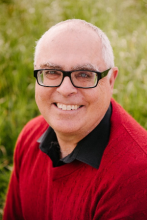
Post, December 3, 2025 • David W. Chandler was awarded the Dudley Herschbach Medal at the XXIX Dynamics Of Molecular Collisions meeting in Snowbird Utah, July 6-11, 2025. The medal, named for Professor Dudley Herschbach (Harvard University), who won the Nobel Prize in Chemistry in 1986, recognizes “bold and architectural work, inspiring and empowering” in...
Dedication, curiosity earn chemist DOE Early Career Award
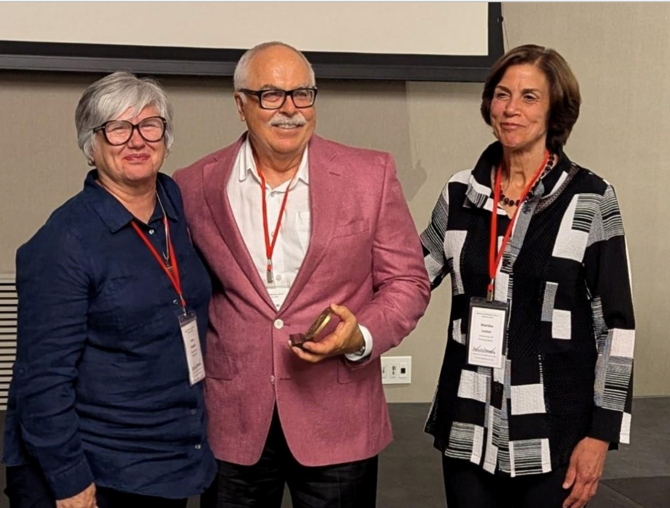
Post, June 16, 2022 • CRF Scientist Krupa Ramasesha Each year, the Department of Energy awards five-year, $2.5M, Early Career Award grants to young scientists, chosen through a highly competitive research proposal selection process. For CRF scientist Krupa Ramasesha, winning the Department of Energy’s Early Career Award means that she can launch an in-depth study...
Direct Numerical Simulation
Page • Sandia has developed a massively parallel DNS capability for turbulent reactive flows coupled with detailed chemical reactions and molecular transport. The DNS code, S3D, is used to perform DNS code of fundamental “turbulence-chemistry” interactions in combustion at Sandia and by researchers worldwide, notably at KAUST, U. of New South Wales,...
DNS of Turbulent Combustion
Page • Sandia has developed a massively parallel DNS capability for turbulent reactive flows coupled with detailed chemical reactions and molecular transport. The DNS code, S3D, is used to perform DNS code of fundamental “turbulence-chemistry” interactions in combustion at Sandia and by researchers worldwide, notably at KAUST, U. of New South Wales,...
Dynamics of Molecules in Excited States
Page • When molecules absorb visible or ultraviolet light, they are promoted to an excited state in which the electrons of the molecule occupy different orbitals. This process is critical not only to life on Earth (e.g., photosynthesis), but also to human interactions (e.g., vision). We seek to understand the fundamental details...
Elliot James Fuller
Staff Page • Materials Physics. Biography Elliot Fuller received his Ph.D. in physics from the University of California at Irvine, where he worked under Prof. Phil Collins studying low-dimensional electronic systems including single walled carbon nanotubes. He accepted a postdoctoral fellowship in the Materials Physics department at Sandia National Laboratory in 2015 and...
Energy Transfer Collisions
Page • Image of NO (A, J=7.5) after a collision of two molecular beams, one having NO seeded in He colliding with a beam on NO seeded in Ar. The NO in booth beams is excited into the A electronic state and the j=0 rotational state. The He in one beam collides...
Engine Combustion
Page • The mission of the Engine Combustion Research group is to develop the science-based understanding needed by industry to design the next generation of advanced internal-combustion engines that use both conventional and alternative fuels. We develop a detailed, pre-competitive understanding of the dominant in-cylinder processes, providing guidance to engine designers who...
Ethan Hecht
Staff Page • Principal Member of Technical Staff, Combustion Research Facility. Biography Ethan S. Hecht is a Principal Member of the Technical Staff in the Combustion Research Facility at Sandia National Laboratories. He has broad expertise in hydrogen energy systems, spanning experimental research, safety-informed engineering, and technology development to support the deployment of...
Exascale Catalytic Chemistry
Page • Sandia is developing pynta, a tool to explore reactions of adsorbates on crystal facets automatically. The goal of the ECC project is to create a computational framework that accelerates discovery and characterization of complex molecular systems. We are targeting gas-phase and coupled heterogeneous/gas-phase reactions and reaction mechanisms with relevance to...
Exascale Computing Program
Page • To meet aggressive national goals for significantly reducing petroleum use and greenhouse gas emissions requires major improvements in all aspects of the nation’s energy use. Combustion processes have historically dominated electrical power production and transportation systems. Despite major advances in improving the efficiency and reducing the costs of alternative energy...
Experimental Capabilities
Page • Sandia Labs scientists invented and developed ground-breaking scientific and engineering capabilities—both experimental and computational—which laid the foundation for today’s combustion research model. Built in the early 1970s, on the promise that laser beams could be used to interrogate hostile environments, Sandia’s Combustion Research Facility (CRF) is now world renowned for...
Experimental Turbulent Combustion Research
Page • Example turbulent flame configurations used for fundamental studies of turbulence-chemistry interactions. Different flow configurations and fuels provide a progression of complexity with respect to fluid dynamics and chemical kinetics. Systematic experimental studies of these flames using laser diagnostics are combined with theory and modeling to advance our understanding of the...
Fabulous at Forty!
Post, April 5, 2021 • Fueling the Future Established at Sandia National Laboratories in Livermore, California, as the first U.S. Department of Energy (DOE) user facility, since the early 1980s the Combustion Research Facility (CRF) has served as a national and international leader in combustion science and technology for more than 40 years. As the...
Results 26–50 of 151